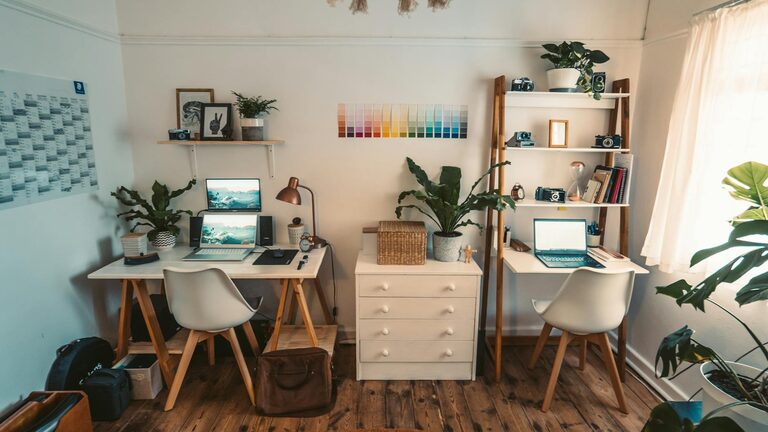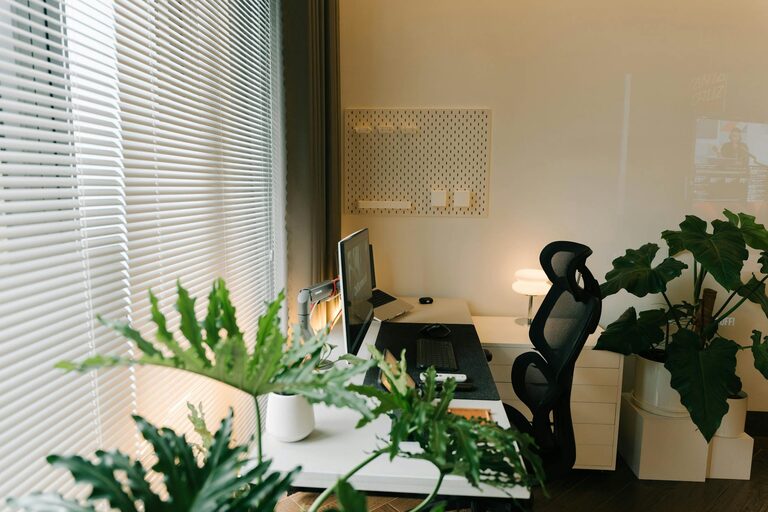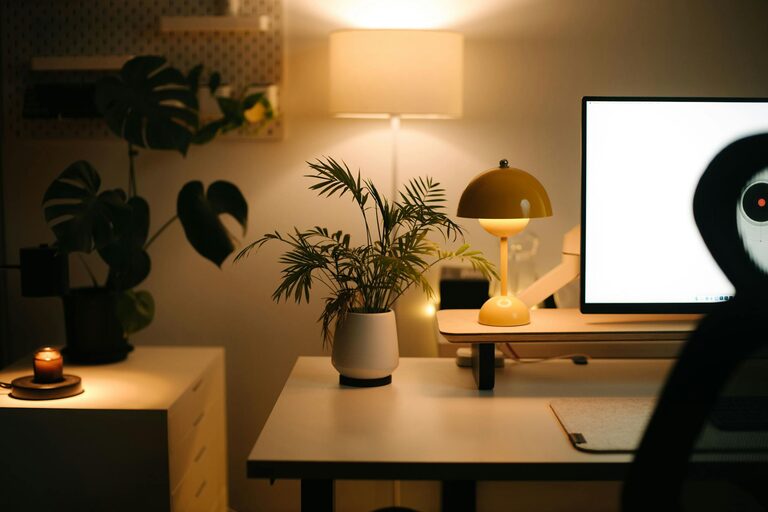
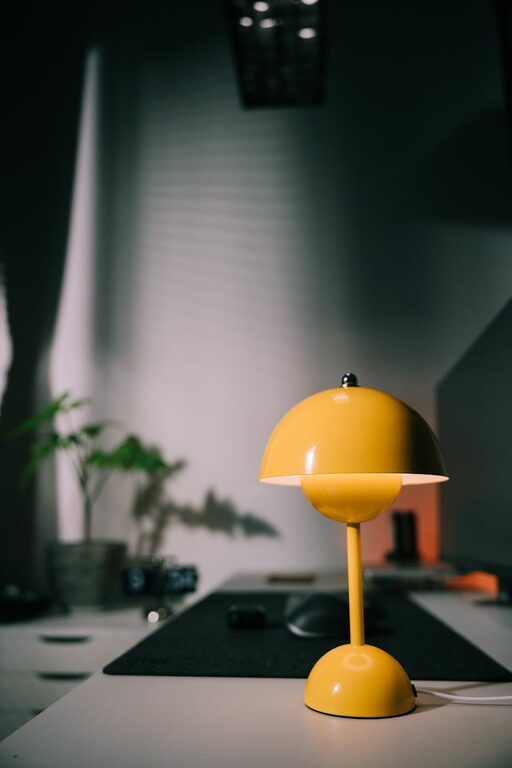
Creating a cozy and inviting home workspace is essential for anyone who spends significant time working from home. A well-designed workspace not only enhances productivity but also helps reduce stress and maintain motivation. Whether you have a dedicated room or a small corner, making your workspace comfortable and personalized can make a big difference in your daily work experience.
In this post, we’ll share practical tips and ideas to help you design a home workspace that feels warm, welcoming, and inspiring.
1. Choose the Right Location
Finding the ideal spot for your workspace is the first step. Consider these factors:
– Natural Light: Select an area near a window if possible. Natural light boosts mood and reduces eye strain.
– Quiet Space: Pick a spot with minimal distractions for better focus.
– Availability: Make sure there’s enough room for your desk, chair, and any equipment you need.
Even a small corner can be transformed into an inviting workspace with the right setup.
2. Invest in Comfortable Furniture
Comfort is key to productivity and well-being:
– Ergonomic Chair: Choose a chair that supports your back and encourages good posture.
– Appropriate Desk: Your desk should be the right height and provide enough surface area.
– Adjustability: If possible, consider a sit-stand desk to switch positions during the day.
Comfortable furniture helps prevent fatigue and discomfort during long work hours.
3. Personalize Your Space
Make your workspace feel like your own by adding personal touches:
– Wall Art or Photos: Hang inspiring artwork or photos that make you smile.
– Plants: Adding greenery can improve air quality and add a calming vibe.
– Decor Items: Use items like candles, decorative trays, or cushions to enhance coziness.
Personalization makes the space welcoming and can boost your mood and creativity.
4. Organize for Efficiency and Calm
Clutter can be distracting and stressful. Use the following strategies:
– Storage Solutions: Use shelves, bins, or drawers to keep items organized and out of sight.
– Minimalism: Keep only necessary items on your desk to maintain a clean, tidy area.
– Cable Management: Use clips or sleeves to keep cords neat and avoid tangling.
A neat workspace helps you find things quickly and promotes focus.
5. Control Lighting
Proper lighting can significantly affect your comfort:
– Layered Lighting: Combine ambient, task, and accent lighting.
– Desk Lamp: A lamp with adjustable brightness and direction is useful for focused tasks.
– Avoid Glare: Position screens and lights to reduce reflections and eye strain.
Good lighting supports your productivity and prevents headaches.
6. Create a Relaxing Atmosphere
Consider adding elements that foster relaxation and reduce stress:
– Soft Textiles: Use a cozy rug, cushions, or throws for comfort.
– Aroma: Light a subtly scented candle or use an essential oil diffuser.
– Sound: Play calming background music or white noise to improve concentration.
These small touches help you feel calm and comfortable during work.
7. Maintain Good Air Quality and Temperature
Comfort affects concentration, so keep your space well-ventilated:
– Open Windows: Let fresh air in when possible.
– Air Purifier: Consider an air purifier for cleaner air.
– Temperature Control: Use a fan or heater to maintain a comfortable room temperature.
A comfortable environment supports sustained focus throughout your workday.
8. Incorporate Technology Thoughtfully
Technology should support your work without overwhelming your space:
– Monitor Stands: Elevate screens to eye level for better posture.
– Wireless Devices: Reduce cable clutter with wireless keyboards and mice.
– Headphones: Use noise-canceling headphones to block distractions.
Choose tech that enhances comfort and productivity.
9. Set Boundaries Between Work and Home Life
Especially when working from home, it’s important to separate your workspace:
– Defined Area: Physically separate your workspace with a divider or curtain if possible.
– Routine: Maintain regular work hours to establish clear boundaries.
– End-of-Day Ritual: Clear your desk or shut down your computer to mark the workday’s end.
Setting boundaries helps you switch off and recharge after work.
—
Creating a cozy and inviting home workspace doesn’t have to be complicated or expensive. By focusing on comfort, personalization, organization, and lighting, you can create a pleasant environment that supports productivity and well-being. Take time to tune your space to your preferences, and watch how a little effort can lead to a big boost in your daily work experience. Happy decorating!
About the Author