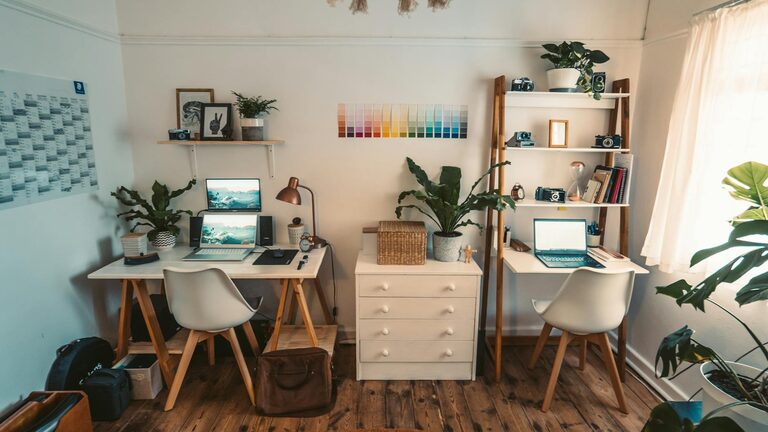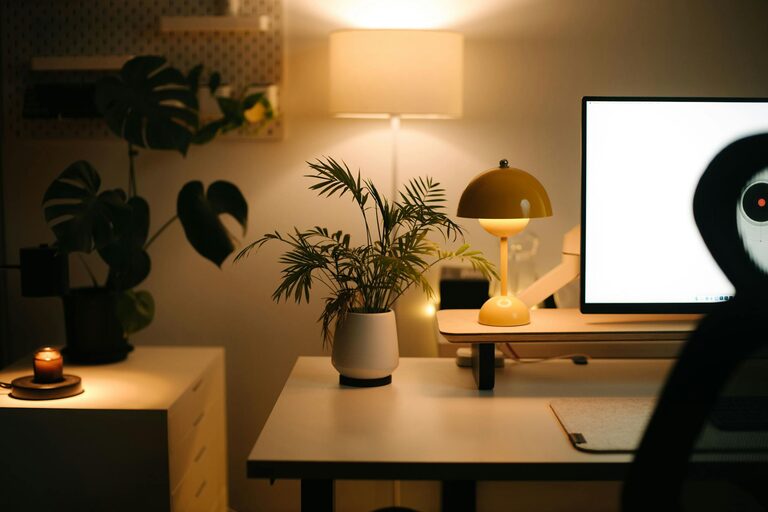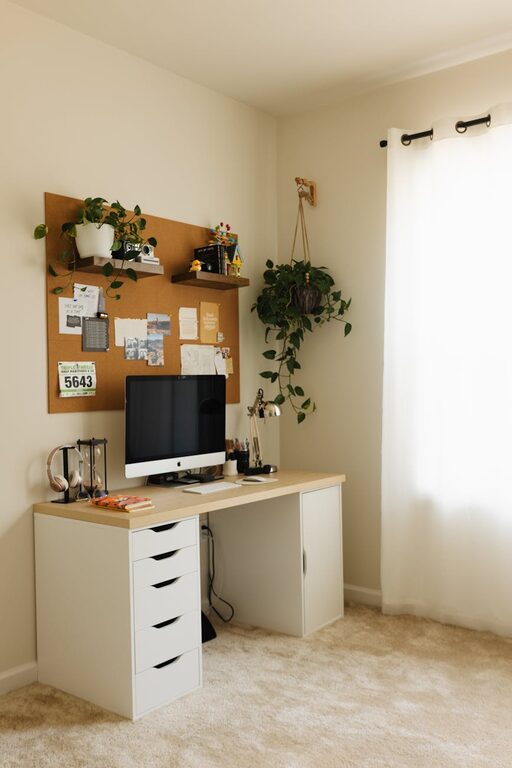
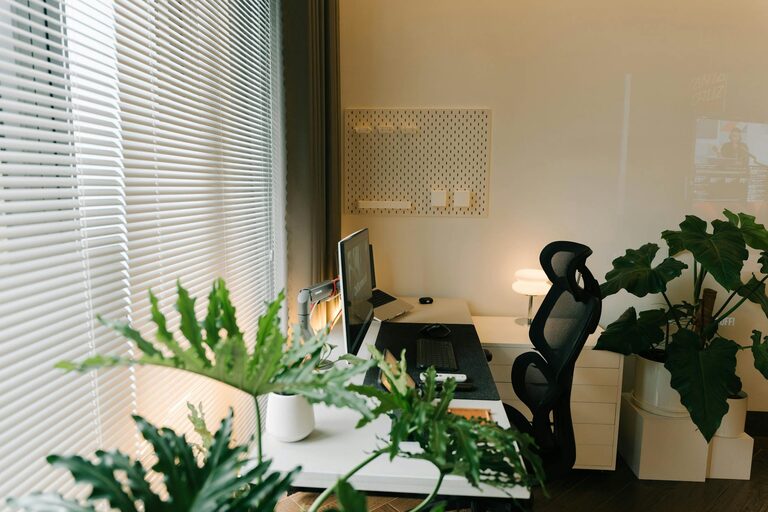
Creating a comfortable and productive home office space is essential in today’s world, where more people are finding themselves working remotely. A well-designed workspace not only improves your efficiency but also supports your well-being throughout the workday. Here are some practical tips and ideas to help you set up a home office that suits your needs and helps you stay focused.
Choose the Right Location
Finding the ideal spot for your home office is the first step towards productivity.
– Quiet and private: Select a space away from the busiest areas of your home to reduce distractions.
– Natural light: Position your desk near a window if possible, as natural light can boost mood and energy.
– Adequate space: Ensure you have enough room to accommodate your desk, chair, and any equipment or storage you need without feeling cramped.
Invest in Ergonomic Furniture
Comfort is key to staying productive and avoiding physical strain.
– Ergonomic chair: Choose a chair that supports your lower back, encourages good posture, and allows your feet to rest flat on the floor.
– Desk height: Your desk should be at a comfortable height where your arms can rest at about a 90-degree angle while typing.
– Adjustable accessories: Consider a monitor stand or laptop riser to keep your screen at eye level, reducing neck strain.
Organize for Efficiency
A tidy and organized workspace helps you focus better and minimizes time wasted searching for items.
– Declutter regularly: Keep only the essentials on your desk to maintain a clean environment.
– Use storage solutions: Shelves, drawers, and desk organizers can help keep papers and supplies in order.
– Cable management: Use clips or cable boxes to keep cords neat and out of the way.
Personalize Your Space
Adding personal touches to your home office can make it a welcoming place where you enjoy working.
– Incorporate plants: Greenery can reduce stress and improve air quality.
– Artwork and photos: Display items that inspire or motivate you.
– Comfort items: A cozy blanket, a comfortable wrist rest, or a favorite mug can make your workspace more inviting.
Optimize Lighting
Proper lighting reduces eye strain and keeps you alert.
– Layered lighting: Combine natural light with overhead and task lighting for balanced illumination.
– Adjustable desk lamp: A lamp with adjustable brightness and direction can help focus light where you need it most.
– Avoid glare: Position screens to minimize reflections from windows or lights.
Set Boundaries
Balancing work and home life requires clear boundaries.
– Defined work hours: Stick to a schedule to maintain routines.
– Dedicated space: Using the same space every day helps your mind shift into work mode.
– Signal to others: Use signs or closed doors to communicate when you’re working and prefer not to be disturbed.
Incorporate Technology Wisely
Having the right tools can enhance your workflow.
– Reliable internet: Ensure your connection is stable for video calls and online tasks.
– Efficient peripherals: A good keyboard, mouse, and headphones contribute to comfort and productivity.
– Backup solutions: Keep important files backed up on cloud services or external drives to avoid data loss.
Take Regular Breaks
Don’t forget to step away from your desk regularly.
– Stretching: Simple stretches help reduce muscle tension.
– Walks: Short walks or moving around refresh your mind.
– Eye care: Follow the 20-20-20 rule—every 20 minutes, look at something 20 feet away for at least 20 seconds to reduce eye strain.
Maintain Good Air Quality
A fresh and well-ventilated workspace supports better concentration.
– Ventilate: Open windows when possible to circulate air.
– Air purifiers: Consider using one if your room lacks fresh air flow.
– Humidity: Keep humidity levels comfortable to avoid dry air that can cause discomfort.
—
Setting up a home office that balances comfort and productivity doesn’t require a large budget or complex renovations. Thoughtful choices about location, furniture, organization, and personal touches can transform any space into an effective work environment. By investing time into creating a well-designed workspace, you set the stage for focus, efficiency, and overall well-being during your workday.
About the Author