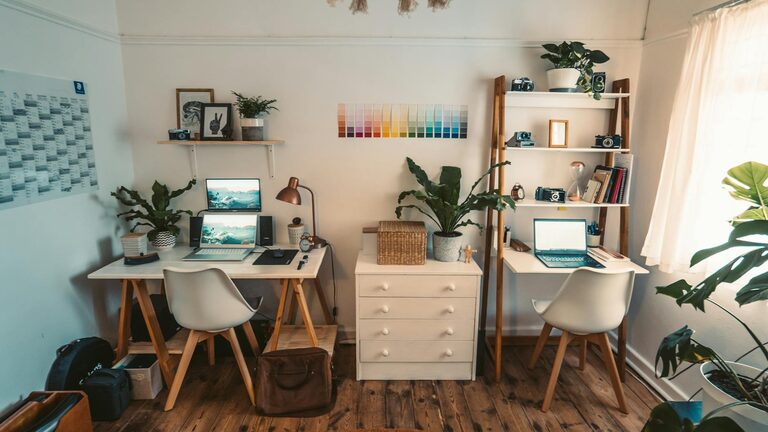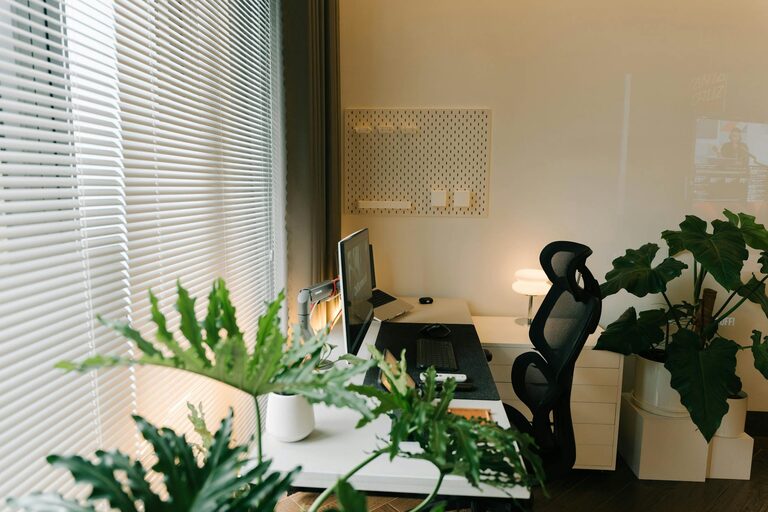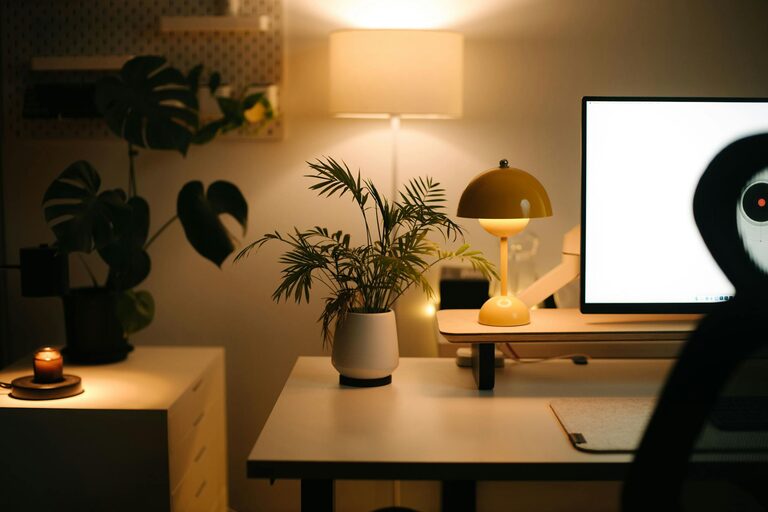
Creating a home office that balances comfort and productivity is essential for anyone who spends significant time working from home. Whether you’re a freelancer, remote employee, or managing your own business, a well-designed workspace can improve focus, reduce stress, and make your workday more enjoyable. Here are some practical tips to help you create a cozy and productive home office space.
1. Choose the Right Location
Selecting the right spot in your home plays a big role in your work efficiency and comfort.
– Natural Light: Aim for a space near a window to take advantage of natural sunlight. This helps improve mood and alertness.
– Quiet and Private: Pick a quieter corner where you won’t be easily distracted by household noise.
– Space: Ensure there’s enough room for your desk, chair, and any additional equipment you may need.
If your home doesn’t have a spare room, consider a section of the living room or bedroom that can be dedicated as your workspace.
2. Invest in a Comfortable Chair and Desk
Ergonomics are key for long hours of work.
– Chair: Choose an adjustable chair with good lumbar support. This will protect your back and keep you comfortable throughout the day.
– Desk: Select a desk at the right height so you can type and write without straining your shoulders or wrists. Standing desks or adjustable desks are also popular as they allow you to alternate between sitting and standing.
Your comfort will pay off with better posture and less fatigue.
3. Organize Your Space Efficiently
Clutter can distract you and hinder productivity, so keep your workspace tidy and well-organized.
– Storage Solutions: Use shelves, drawers, or filing cabinets to keep documents and office supplies neatly stored.
– Desk Accessories: Use organizers for pens, paper, and other small items to avoid mess.
– Cable Management: Use clips or covers to keep cords under control and prevent tangled wires.
A clean space invites clear thinking.
4. Personalize Your Workspace
Adding personal touches can make your office feel more inviting and motivating.
– Decorate: Hang a few pieces of artwork or motivational quotes that inspire you.
– Plants: Incorporate some greenery. Plants improve air quality and add a calming vibe.
– Lighting: Add a desk lamp with adjustable brightness so you can control the lighting depending on the time of day and task.
Personal touches help make the space your own, which can improve your mood and focus.
5. Optimize Lighting
Proper lighting reduces eye strain and increases energy.
– Natural Light: Maximize window access.
– Task Lighting: A focused desk lamp helps when working on detailed tasks.
– Ambient Lighting: Good overhead lighting should create a well-lit environment without glare.
Try to avoid harsh fluorescent lights which can cause headaches and discomfort.
6. Minimize Distractions
To stay productive, try reducing interruptions.
– Set Boundaries: If possible, let family or housemates know your working hours.
– Use Noise-Cancelling Headphones: These can help block out background noise.
– Limit Personal Devices: Keep your phone and other non-work devices out of reach or on silent mode during working hours.
Creating a quiet zone enhances focus.
7. Add Technology That Supports Your Work
Having the right tools helps you work more efficiently.
– Reliable Internet: A stable, fast connection is essential.
– Monitor(s): Having a second screen can boost multitasking.
– Keyboard and Mouse: Invest in comfortable, ergonomic models.
– Software and Apps: Use productivity and organization apps tailored to your workflow.
Ensure your tech setup meets your professional needs.
8. Keep a Routine and Take Breaks
Even the best workspace can’t compensate for burnout.
– Set Working Hours: Commit to a schedule to maintain work-life balance.
– Take Regular Breaks: Get up, stretch, hydrate, and rest your eyes.
– Create a Morning Routine: Starting your day consistently can set a productive tone.
A balanced approach promotes long-term productivity.
Conclusion
Designing a cozy and productive home office is about blending comfort with functionality. By paying attention to location, furniture, lighting, and organization — while adding personal touches and minimizing distractions — you can create an environment that supports both your work and well-being. Experiment with these tips and adjust your space until it feels just right for you. Happy working!
About the Author