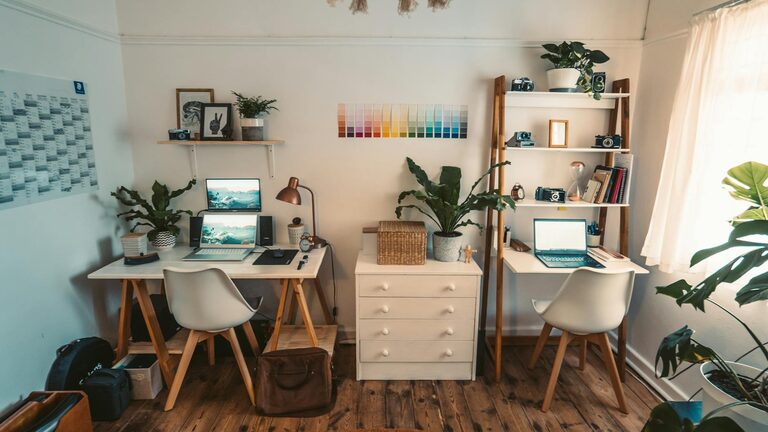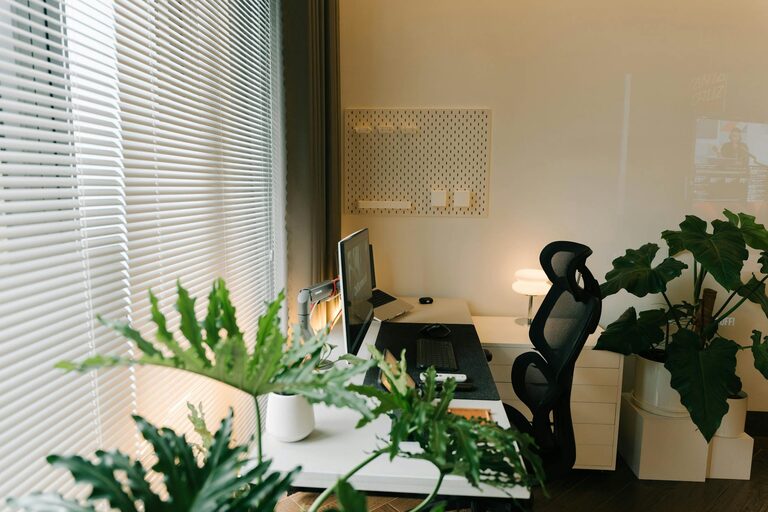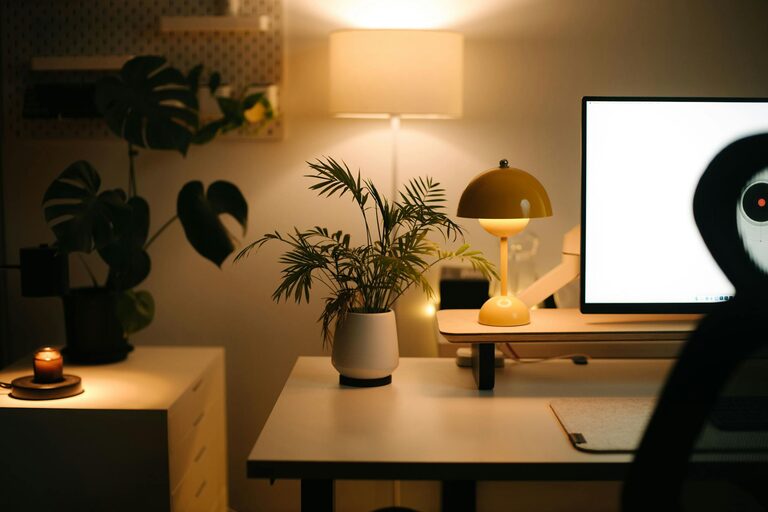
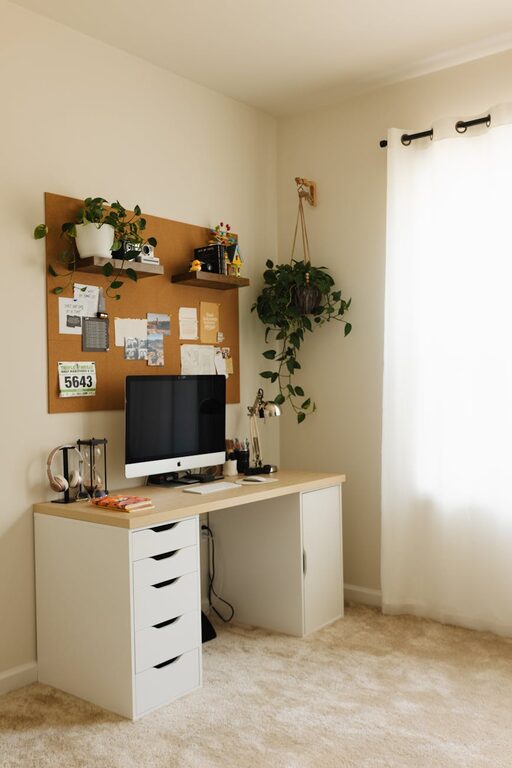
Creating a relaxing home workspace is essential for maintaining productivity while working remotely or completing tasks at home. A calm and organized environment can help reduce distractions, lower stress levels, and increase your ability to focus. Here are some practical tips to design a workspace that promotes relaxation and efficiency.
Choose the Right Location
Selecting a dedicated area for your workspace is the first step. Ideally, this place should be quiet and away from high-traffic areas in your home.
– Natural light: Position your desk near a window if possible. Natural light can improve mood and alertness.
– Minimal distractions: Avoid spots near televisions or busy family rooms.
– Comfortable space: Make sure there’s enough room for your essentials without overcrowding.
Invest in Comfortable Furniture
Comfort plays a big role in how relaxed you feel during work hours.
– Ergonomic chair: A supportive chair reduces strain on your back and helps maintain good posture.
– Adjustable desk: If possible, use a desk that allows you to switch between sitting and standing.
– Proper desk height: Make sure your desk suits your height to avoid hunching or reaching.
Keep It Organized and Clutter-Free
Clutter can cause stress and make it harder to focus. Keep your workspace tidy with these tips:
– Storage solutions: Use shelves, drawers, or organizers to store supplies.
– Daily clean-up: Spend a few minutes at the end of each day to clear your desk.
– Limit personal items: While a few personal touches are nice, avoid overcrowding your space.
Use Soothing Colors and Decor
Colors can influence your mood and productivity.
– Soft tones: Shades of blue, green, or beige tend to have calming effects.
– Natural elements: Adding plants or natural textures can create a peaceful atmosphere.
– Minimal decor: Choose simple, meaningful items to avoid visual clutter.
Create the Right Lighting
Lighting affects both comfort and focus.
– Layered lighting: Combine natural light with task lighting such as a desk lamp.
– Adjust brightness: Use soft, warm lights for relaxation and brighter lights for detailed work.
– Reduce glare: Position screens and lights to minimize eye strain.
Incorporate Relaxation Techniques
Small breaks and mindfulness can enhance your work experience.
– Regular breaks: Stand up, stretch, or take short walks every hour.
– Breathing exercises: Deep, slow breaths can reduce tension quickly.
– Quiet moments: Use calming sounds or silence to reset your mind.
Personalize Your Space
Making your workspace feel yours can improve motivation.
– Inspirational quotes: Place reminders of your goals where you can see them.
– Photos or art: Meaningful images create a positive vibe.
– Comfort items: A cozy blanket or favorite mug can add warmth.
Manage Technology Wisely
Technology can help or hinder relaxation and productivity.
– Organize cables: Use cable organizers to keep wires neat.
– Reduce notifications: Silence non-essential alerts to avoid interruptions.
– Keep essentials nearby: Have chargers, headphones, and other tools within reach.
Maintain a Consistent Routine
A steady schedule helps your mind associate your workspace with work.
– Set working hours: Stick to start and finish times to avoid burnout.
– Prepare for the day: Begin with a clean desk and a simple plan.
– End the day mindfully: Close your workspace or pack up to signal work is done.
—
By following these tips, you can transform any part of your home into a relaxing and productive workspace. A well-designed environment supports your mental clarity and work goals, helping you feel more motivated and less stressed throughout the day. Remember, small changes can make a big difference in creating the perfect space for your needs.
About the Author