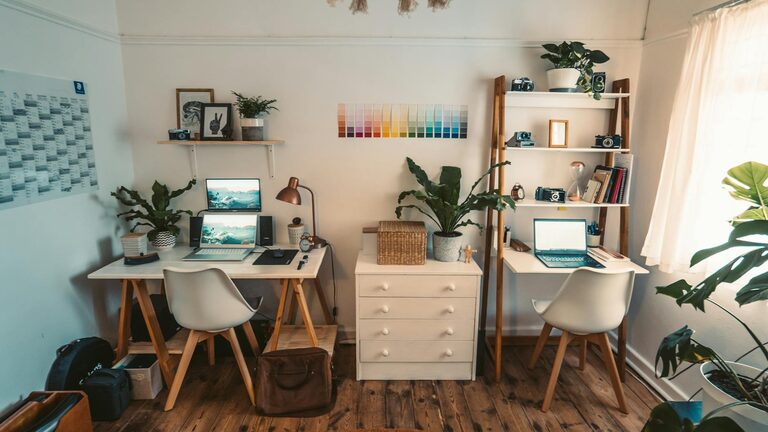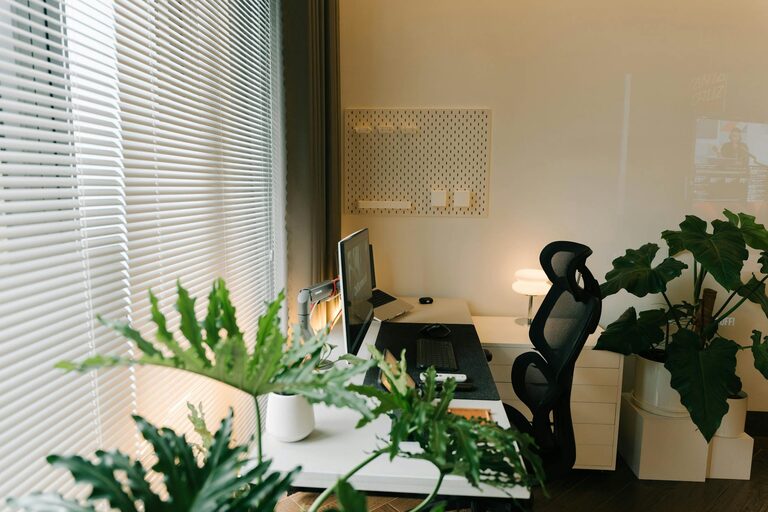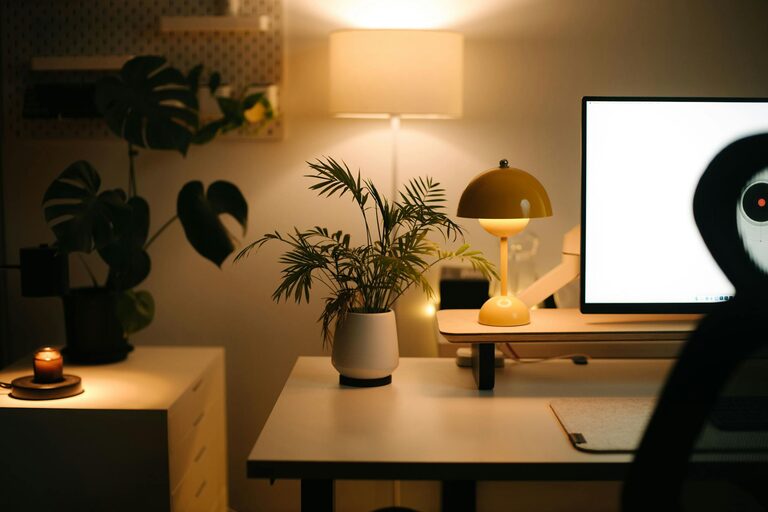
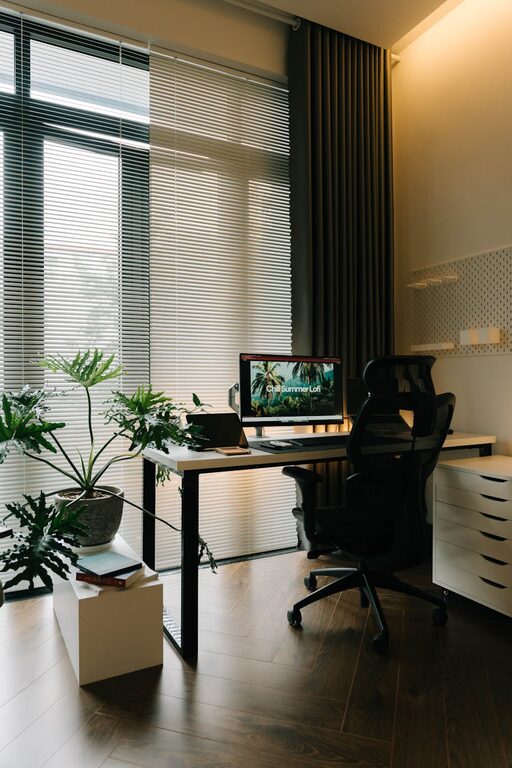
Creating a home office that is both cozy and productive can transform the way you work, helping you stay motivated and comfortable throughout your day. Whether you have a dedicated room or a small corner in your living area, designing an inviting workspace is key. In this article, we explore practical tips to build a home office space that inspires focus, reduces stress, and suits your personal style.
1. Choose the Right Location
The first step in setting up your home office is finding the best spot. Ideally, select a quiet area with minimal distractions, where you can concentrate without interruption.
– Natural light: Aim for a space with good natural light to enhance mood and reduce eye strain.
– Privacy: If possible, pick a place separated from busy household zones.
– Ventilation: Good airflow keeps the room fresh and comfortable through long work sessions.
If space is limited, consider creative setups like a folding desk near a window or a converted closet with added lighting.
2. Invest in Comfortable Furniture
Comfort plays a major role in your ability to focus and avoid fatigue.
– Ergonomic chair: Choose an adjustable chair that supports your back and encourages good posture.
– Desk size: Ensure your desk fits your work essentials such as computer, notebooks, and any additional tools.
– Standing options: If possible, consider a sit-stand desk to alternate positions and reduce stiffness.
Remember, investing in quality furniture pays off with better health and productivity over time.
3. Optimize Lighting
Beyond natural light, proper lighting helps maintain energy and prevents headaches.
– Task lighting: Use a desk lamp with adjustable brightness for focused work.
– Ambient lighting: Soft overhead lights or floor lamps add warmth without glare.
– Light placement: Position lights to avoid screen reflections and shadows on your workspace.
A well-lit office promotes alertness and minimizes eye fatigue.
4. Organize with Storage Solutions
Clutter can quickly undermine productivity and cause stress. Keep your workspace tidy with smart storage ideas.
– Shelving units: Use wall shelves to keep books and supplies off the desk.
– Drawer organizers: Sort small items like pens, cables, and stationery.
– Boxes and baskets: Store papers and miscellaneous items neatly.
Regularly declutter to maintain a clean and inspiring environment.
5. Personalize Your Workspace
Adding personal touches can make your home office feel more inviting and motivate you to spend time there.
– Decor: Choose artwork, plants, or photos that bring you joy.
– Color scheme: Use colors that calm or energize you, such as soft blues or vibrant yellows.
– Comfort items: Keep a cozy blanket or cushion nearby for breaks.
While personalizing, balance decoration with simplicity to avoid distractions.
6. Minimize Noise and Distractions
Creating a peaceful atmosphere helps maintain concentration during work hours.
– Noise-cancelling headphones: Use these to block out background noise or play focus-enhancing music.
– Soundproofing: Consider rugs, curtains, or foam panels to dampen sound.
– Set boundaries: Communicate your work schedule to family members to reduce interruptions.
A calm environment supports better workflow and reduces stress.
7. Manage Cables and Electronics
Messy cords can clutter your space and create frustration.
– Cable organizers: Use clips, ties, or covers to bundle and hide wires.
– Charging station: Create a dedicated spot to charge devices out of the way.
– Tech setup: Arrange monitors and keyboards ergonomically to improve comfort.
Keep electronics organized for a neat look and easy access.
8. Incorporate Plants and Nature
Bringing greenery into your home office can improve air quality and boost your mood.
– Low-maintenance plants: Succulents, snake plants, or pothos are easy to care for.
– Placement: Position plants on your desk or nearby shelves where they receive enough light.
– Benefits: Plants reduce stress and increase creativity and productivity.
Nature elements create a refreshing and pleasant workspace.
9. Maintain a Healthy Routine
Your workspace design supports your work, but healthy habits reinforce productivity.
– Take breaks: Step away regularly to stretch or relax your eyes.
– Stay hydrated: Keep a water bottle handy.
– Move: Incorporate light exercises or short walks during breaks.
A supportive environment combined with good habits leads to consistent success.
Conclusion
Designing a cozy and productive home office is an investment in your well-being and work quality. By choosing the right location, investing in comfort, managing lighting, organizing efficiently, and creating an inspiring space, you can make working from home both enjoyable and effective. Start small with changes that suit your needs and let your office grow with you. Happy planning!
About the Author