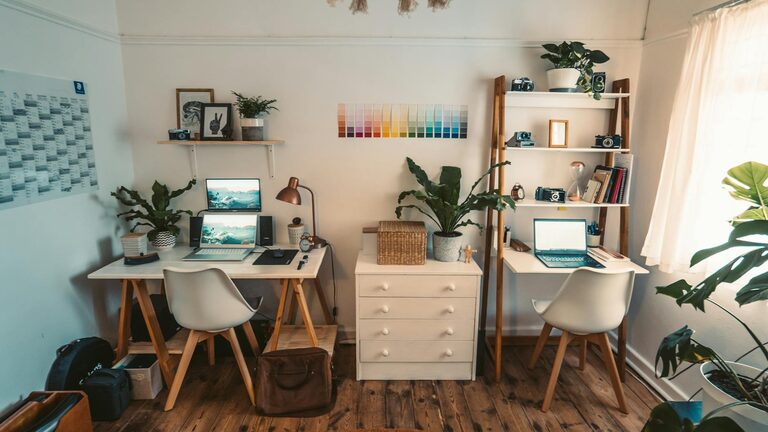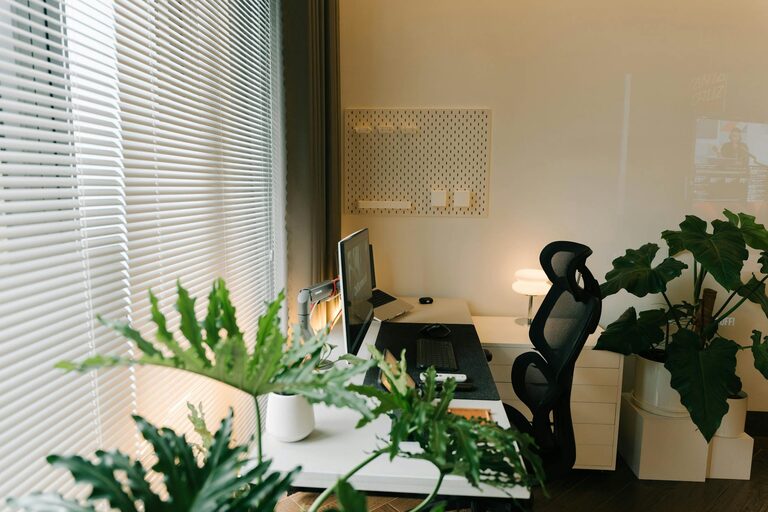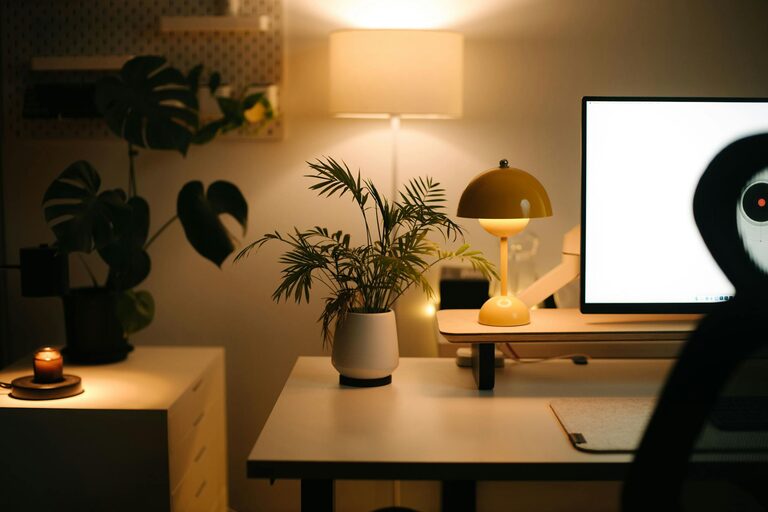
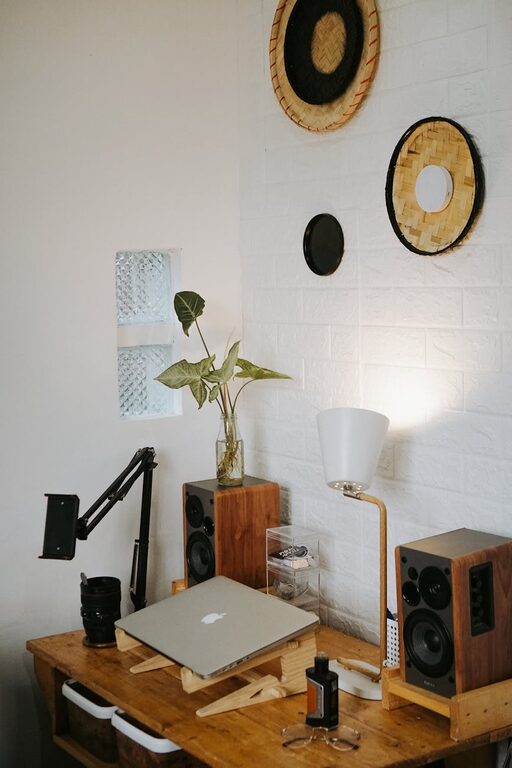
Creating a home office that is both cozy and productive can greatly improve your work experience, especially as many people continue to work remotely or on flexible schedules. A well-designed space helps you focus, feel comfortable, and separate your work life from home life. In this post, we’ll explore practical tips to help you craft a workspace that invites creativity and efficiency without sacrificing comfort.
Choose the Right Location
Prioritize Natural Light
Whenever possible, set up your home office near a window to take advantage of natural light. Sunlight boosts mood and energy, making it easier to stay alert and motivated throughout the day. Position your desk so light falls on your workspace but avoid glare on your computer screen.
Consider Privacy and Quiet
Select a spot that minimizes noise and distractions—whether it’s a spare room, a quiet corner, or even a nook with a room divider. If privacy is limited, noise-cancelling headphones or white noise machines can help create a focused atmosphere.
Invest in Comfortable, Functional Furniture
Desk and Chair Matter Most
Your desk and chair are the foundation of a productive workspace. Choose an adjustable chair with good lumbar support to protect your back during long hours of sitting. The desk should be large enough to hold your essentials without clutter but fit comfortably in your room.
Explore Ergonomic Options
Invest in ergonomic accessories like a keyboard tray, monitor stand, or footrest to maintain proper posture. Ergonomics reduces strain and fatigue, helping you stay comfortable and focused.
Organize Smartly to Reduce Clutter
Use Storage Solutions
Clutter can be a significant distraction. Incorporate shelves, filing cabinets, or baskets to keep papers, office supplies, and devices neatly stored. Label containers for easy access.
Keep Daily Essentials Within Reach
Arrange the items you use most frequently—pens, notebooks, chargers—in easy-to-reach spots to streamline your workflow and avoid interruptions.
Add Personal Touches for Comfort
Decorate Thoughtfully
Personalize your space with photos, artwork, or plants. These elements make your workspace inviting and inspiring without overwhelming it. Plants, in particular, improve air quality and add a calming touch.
Use Soothing Colors and Textures
Choose paint colors or wall decor in calming hues like soft blues, greens, or neutrals. Incorporate soft textures through rugs, cushions, or throws to increase comfort and warmth.
Optimize Lighting for Work Efficiency
Layer Your Lighting
Combine ambient lighting (like ceiling fixtures) with task lighting such as desk lamps. Adjustable lamps with warm, flicker-free bulbs reduce eye strain during detailed work.
Avoid Harsh Lighting
Bright fluorescents or overly harsh lights can cause headaches. Instead, aim for warm light in your workspace to create a pleasant and inviting atmosphere.
Establish a Routine to Separate Work and Home Life
Define Office Hours
Set clear working hours and stick to them to prevent work from spilling into personal time. Use calendar reminders or alarms as needed.
Create a Start and End Ritual
Begin your day with a ritual, like making a cup of tea or tidying your workspace, and end it by shutting down your computer and clearing your desk. These rituals help your brain recognize work time versus relaxation time.
Utilize Technology Wisely
Keep Devices Organized
Tidy up cables with clips or sleeves to avoid messy tangles. Use docking stations or stands to keep devices secure and accessible.
Minimize Distractions
Limit unnecessary notifications on your computer and phone during work hours to maintain focus.
Maintain Your Space Regularly
Daily Tidy Up
Spend a few minutes at the end of each day putting things away and wiping surfaces. A clean workspace promotes clarity and readiness for the next day.
Seasonal Refresh
Every few months, reassess your workspace layout and organization. Adjust lighting, declutter, or update decor to keep the space fresh and inviting.
—
Creating a cozy and productive home office is a balance between functionality and personal comfort. By thoughtfully choosing your location, furniture, lighting, and organization strategies, you can build a workspace that not only helps you get work done efficiently but also feels like a welcoming part of your home. Remember, small improvements add up to a big difference in your daily work experience.
About the Author